
Carpet cleaning · North Shore
Carpet Cleaning North Shore and Chatswood
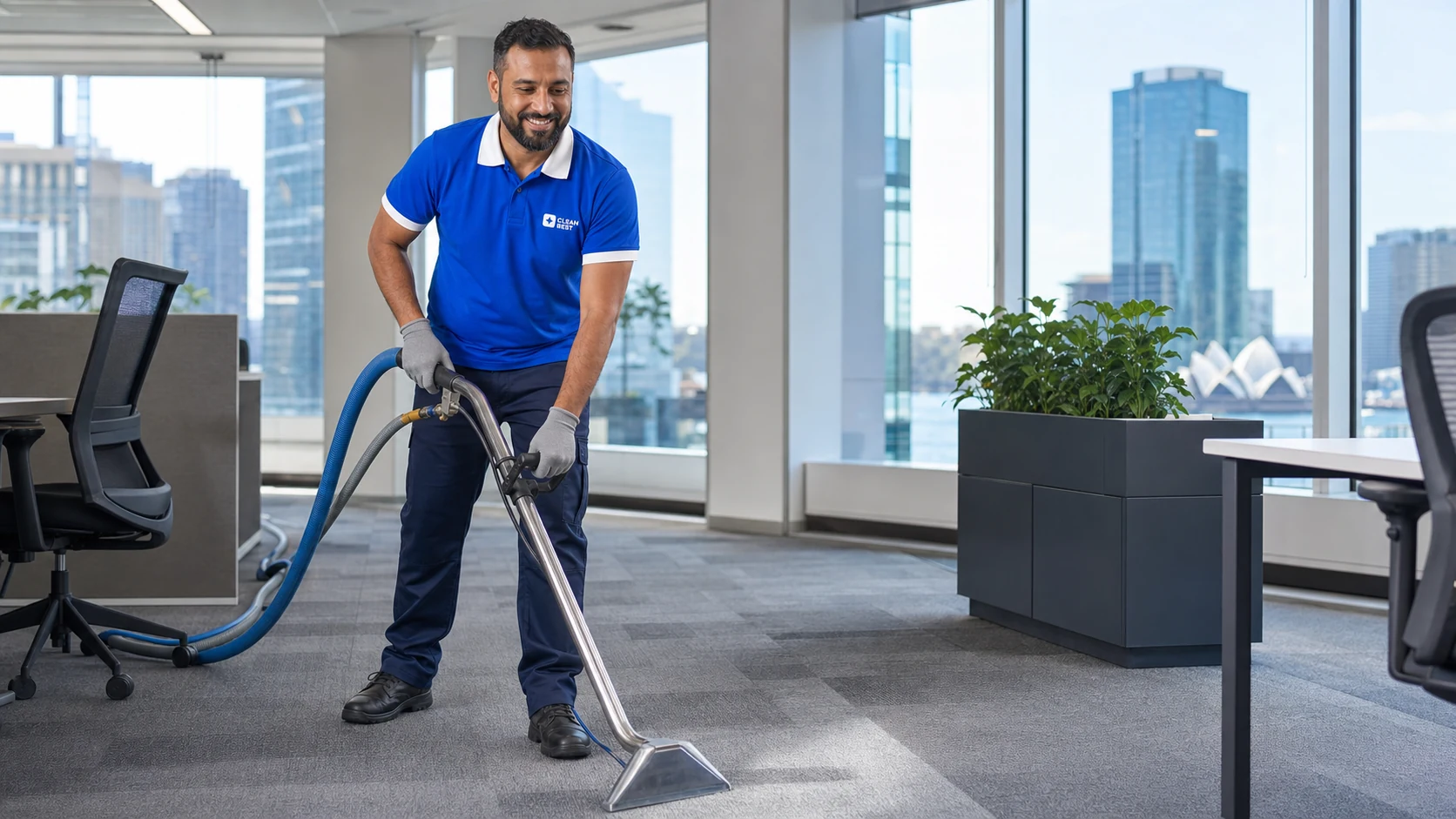
Hot-water extraction that takes the water back out on the same pass, so the grey traffic lane does not wick back to the surface a week later. Chatswood and St Leonards office broadloom, North Shore strata corridors, and the homes in between — with an honest prognosis before we start.
- Water extracted, not left in the backing to wick back up
- Traffic lanes and lift lobbies pre-treated separately
- Air movers run to bring the drying window down
- We tell you what will not come out, before you pay for it
10+ years cleaning Sydney
Police-checked cleaners, insured, and rostered around Sydney traffic rather than a formula
Rostered this week in
- Chatswood
- St Leonards
- North Sydney
- Crows Nest
- $20m public liabilityPolice-checked cleaners, inducted on your building
- Rolling agreementWritten price inside 24 hours, no lock-in
What is carpet cleaning by hot-water extraction?
Hot-water extraction — commonly called steam cleaning — injects a heated cleaning solution into the carpet pile under pressure and immediately vacuums it back out, removing the suspended soil with the water. It is the method that removes the most soil from a carpet, and it is what a Chatswood office floor or a North Shore strata corridor actually needs.
Encapsulation is the alternative maintenance method: a polymer solution is worked into the pile, crystallises around the soil, and is vacuumed away in subsequent passes. It dries faster and removes less, and is typically used between periodic extractions.
In Sydney conditions, extracted carpet dries in roughly four to eight hours depending on humidity and airflow, and air movers shorten that. Carpet that appears to re-soil within days has usually been over-wetted: soil pushed into the backing wicks back to the surface as the pile dries. Clean Best assesses the pile before quoting and states plainly what will and will not come out.
- 10+ years cleaning SydneyOn the road since 2015
- Police-checked cleanersBuilding-inducted, WWCC-cleared where the site needs it
- $20m public liabilityCertificate of currency on request
- Written quote in 24 hoursFixed price, no lock-in contract
The detail
Carpet cleaning North Shore floors that actually stays clean
Carpet cleaning North Shore clients complain about is almost always the same complaint, and it is not that the carpet did not look good on the day. It is that the grey lane came back within a week — and having paid for it twice, they conclude the carpet is finished and start pricing replacement.
It usually is not finished. It was wetted rather than cleaned.
Wicking, and why cheap carpet cleaning fails
When too much solution goes into the pile and not enough comes back out, the soil does not leave — it gets driven down into the backing and the underlay. As the carpet dries, capillary action pulls that moisture back up toward the surface, and it brings the soil with it. Two or three days later the traffic lane reappears, sometimes darker than before.
The fix is not a stronger chemical. It is extracting the water on the same pass that puts it in, which requires a machine with genuine vacuum recovery and an operator who is not rushing to get to the next job. A carpet that has been correctly extracted stays clean because the soil is in the recovery tank, not in the underlay.
Drying, and the Sydney humidity problem
Four to eight hours is the honest range, and where you land inside it is almost entirely about humidity and airflow. A February afternoon with the windows shut sits at the long end; an office with air movers running and some cross-ventilation is usually walkable the same evening and dry by morning.
We run air movers as part of the job rather than charging for them as an extra, and we tell you the expected drying window before we start so you can plan the floor around it. If a contractor tells you their method dries in an hour, they have not put enough water in to have cleaned anything.
The honest prognosis, before you pay
Not everything on a carpet is soil. A traffic lane that has physically worn — where the pile has been crushed and abraded over years — will look better after extraction but will not look new, because the fibre itself has changed. A sun-faded strip by a window is bleached, not dirty. A bleach spot is missing dye. None of those are cleaning problems, and no machine solves them.
We look at the pile before we quote and we say plainly which is which. It is a less impressive sales conversation and it means you do not pay twice to discover it.
Odour: where it actually lives
If a smell is in the pile, extraction with the right pre-treatment will deal with it. If it has soaked through into the underlay — which is what happens with pet accidents and any spill that sat overnight — then cleaning the surface will mask it for a fortnight and no longer, because the source is underneath and still there. In that case the underlay needs replacing. We say so rather than selling you a series of treatments that were never going to work.
Offices: mats matter more than machines
Most of the grey in a Sydney office carpet walked in from the footpath. The single most effective thing you can do is put a proper mat run at the entry — long enough for a person to take several steps on it — because it captures grit before it ever reaches the pile. We review the entry mat system at the quote, which is unglamorous advice that will genuinely save you money on future extractions.
Scheduling around a working floor
Office extraction runs in the evening or on a weekend so the floor is dry by Monday, and it is scheduled zone by zone in bigger tenancies so no area is out of action at once. If we already do your nightly clean, the carpet program is simply another line on the same schedule and the same invoice. Ring 02 5839 3012 and we will come and look at the pile.
Prevention
Most of your carpet's grey walked in from the footpath
The soil in an office traffic lane did not come from the office. It came off the street, on shoes, through the front door — and in a Chatswood or St Leonards tenancy sitting directly above a railway station, it arrives in remarkable quantity every single day.
A mat run at the entry that is long enough for somebody to take three or four steps on captures a surprising proportion of it. It is the least glamorous advice in carpet care and by far the highest-return: it directly extends the interval between extractions, which means it costs us money to tell you.
- Entry mat system reviewed as part of the quote
- Traffic lanes and lift lobbies pre-treated as separate zones
- Encapsulation on a maintenance cycle between extractions
- Zoned scheduling so no floor is out of action at once
The scope
What a carpet job involves
The steps, in order. Skipping any of them is how a carpet ends up looking worse a week later.
- Inspect the pile: fibre type, backing, how deep the soil sits, and what is wear rather than dirt
- Give you an honest prognosis before starting — what will lift and what will not
- Move reasonable furniture; work around anything heavy, filed or fragile
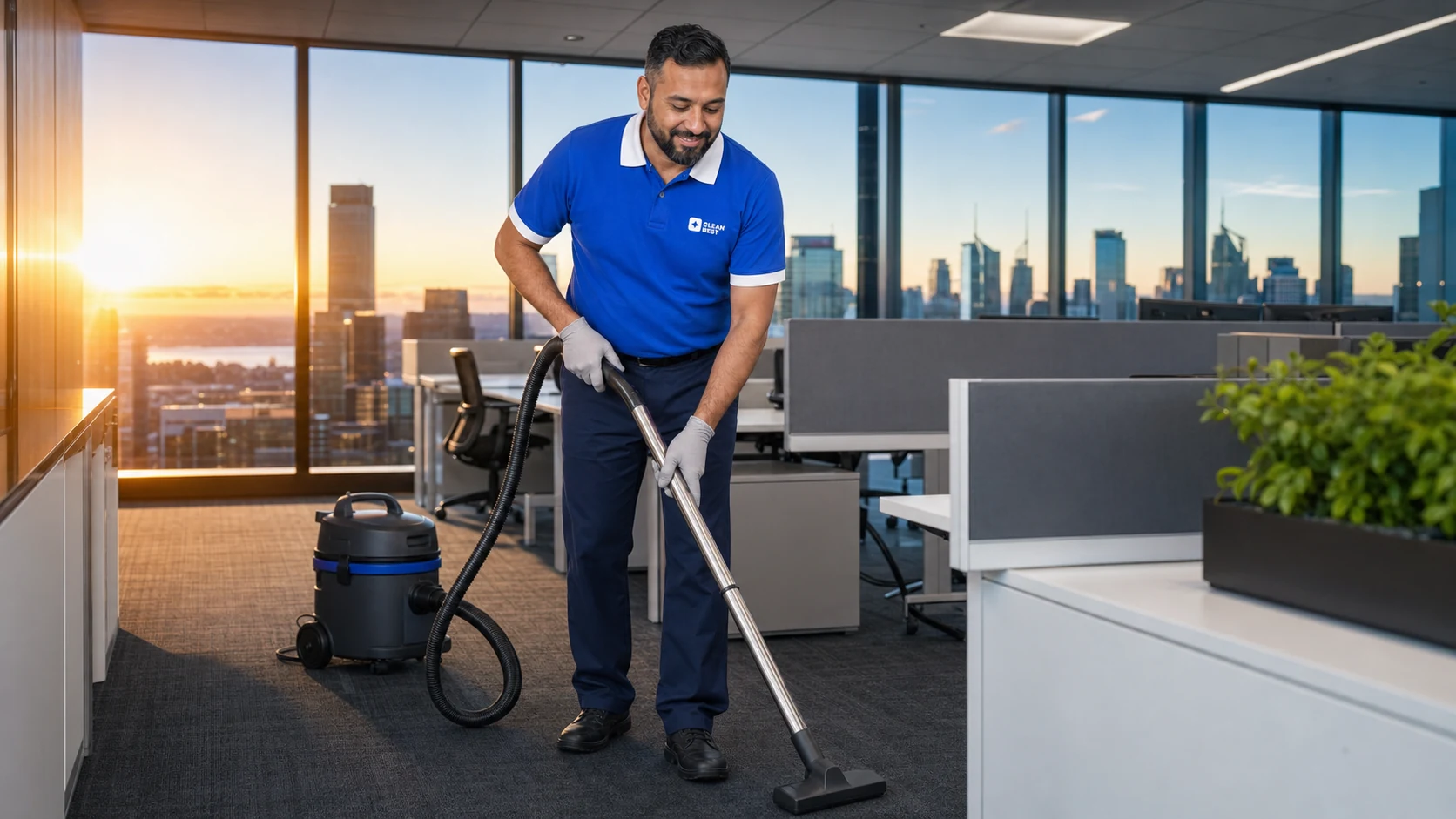
- Dry vacuum thoroughly first, because extraction cannot remove what a vacuum should have
- Pre-treat traffic lanes, lift lobbies, entry areas and individual spots separately
- Agitate the pre-treatment into the pile so it works on the soil rather than sitting on it
- Hot-water extract, taking the water and the suspended soil back out on the same pass
- Treat stubborn spots individually rather than saturating the whole area to chase one mark
- Groom the pile so it dries standing up rather than matted flat
- Place blocks or tabs under furniture legs so nothing stains the damp pile
- Run air movers to bring the drying window down and reduce wicking
- Advise on the entry mat system, because most of the soil walked in from outside
- Book the next extraction or encapsulation so the carpet never gets that far gone again
Permanent wear, sun-fading, bleach spots and dye loss are not cleaning problems and no method will reverse them. We identify them before you pay rather than after.
Pricing
Carpet quotes built from area, soil level and furniture
A clear office floor and a furnished home hallway are different jobs per square metre. We look at the pile, tell you what is achievable, and fix the price in writing.
Home carpet
A house or apartment — living areas, bedrooms, hallway and stairs, with furniture to work around.
- Hot-water extraction with pre-treatment on traffic lanes and spots
- Reasonable furniture moved; heavy or fragile items worked around
- Blocks and tabs under furniture legs so nothing stains while drying
- Air movers run to bring the drying window down
Fixed in writing before anybody picks up a mop.
Office floor
A commercial tenancy — open-plan broadloom, meeting rooms, corridors and a lift lobby.
- Evening or weekend extraction so the floor is dry by Monday
- Traffic lanes, lift lobby and entry pre-treated separately
- Encapsulation between extractions on a maintenance cycle
- Scheduled alongside your existing nightly clean, one invoice
Fixed in writing before anybody picks up a mop.
Large or periodic program
Multi-floor tenancies, strata corridors, or a Sydney business running carpet care across several sites.
- Zoned program so no floor is out of action at once
- Extraction and encapsulation scheduled together across the year
- Entry mat system reviewed — most of the soil is walked in
- One schedule, one supervisor, one consolidated invoice
Fixed in writing before anybody picks up a mop.
We walk your site for nothing, then send the number within 24 hours.
Getting started
How a North Shore carpet job runs
Four steps, and the second one is the one nobody else does.
- 1
We look at the pile
Fibre type, backing, how far the soil has gone down, and whether the traffic lane is soil or wear. Those are different problems.
- 2
An honest prognosis
We tell you what will come out and what will not. Permanent wear and a sun-faded lane are not stains, and no machine fixes them.
- 3
Fixed price in writing
Within 24 hours, with the drying window stated up front so you can plan around it rather than discover it.
- 4
Extraction, then air movement
Pre-treat, agitate, extract, and run air movers. Water goes in and comes straight back out on the same pass.
FAQ
Carpet cleaning questions from the North Shore
Drying times, wicking, odour, and why the traffic lane keeps coming back.
How long does carpet take to dry on the North Shore?
Four to eight hours in most conditions, and that range is almost entirely about humidity and airflow rather than the machine. In a February humidity spike with the windows shut, it will sit at the long end. With air movers running and some cross-ventilation, an office floor is usually walkable the same evening and fully dry by morning. If somebody tells you their method dries in an hour, they are almost certainly not extracting enough water to have cleaned it.
What is the difference between steam cleaning and dry cleaning?
What people call steam cleaning is hot-water extraction: hot solution is injected into the pile under pressure and immediately vacuumed back out, taking the soil with it. Encapsulation, often called dry cleaning, uses a polymer that crystallises around soil so it can be vacuumed away later. Extraction removes far more and takes longer to dry; encapsulation is faster and lighter and works well between deep cleans. Most Sydney offices use both — encapsulation on a maintenance cycle, extraction periodically.
Why does the grey lane come back a week later?
Because it was not removed, it was wetted. Over-wetting carpet pushes soil down into the backing and the underlay, and as the pile dries it wicks that soil back up to the surface. Two days later the traffic lane reappears and the client concludes the carpet is beyond saving. It usually is not — it was cleaned by somebody who put more water in than they took out. Correct extraction takes the water and the soil back out on the same pass.
Can you get rid of the smell as well as the stain?
Often, but the honest answer is that it depends where the smell lives. If the source is in the pile, extraction with the right pre-treatment will deal with it. If it has soaked through into the underlay — common with pet accidents and long-standing spills — then cleaning the surface will mask it for a fortnight and no longer. In that case the underlay needs replacing, and we will tell you that rather than sell you three treatments that were never going to work.
Do we need to move the furniture?
We move what is reasonable — chairs, small tables, light items — and we work around anything heavy, filed or fragile. For offices, the practical answer is that an evening extraction works best if the floor has been left clear, and most Sydney tenancies simply put a clear-desk night on the calendar before we come. For homes, we will lift and block what needs lifting so nothing stains from a wet foot after we leave.
How often should Chatswood office carpet be extracted?
Traffic decides it, not the calendar. A busy office floor with a street entrance and a lift lobby usually wants extraction every six months, with encapsulation or spot work in between. A quieter suite can go twelve months comfortably. What genuinely matters more than the frequency is the mat system at the entry: most of the grey in a Sydney office carpet walked in from the street, and a decent mat run stops a remarkable proportion of it before it ever reaches the pile.
How is carpet cleaning North Shore work priced?
By area, by how bad the traffic lanes are, and by how much furniture has to be worked around. A bare office floor is straightforward; a home with tucked-in furniture and a heavily soiled hallway is more work per square metre. We look at it, tell you honestly what will come out and what will not, and confirm a fixed figure in writing within 24 hours.
Keep going
What North Shore clients book alongside carpet
Same supervisor, same schedule, one invoice.
Get carpet cleaning North Shore floors that does not grey over again in a week
Water goes in and comes straight back out. Honest prognosis, fixed price in writing, air movers included. Call 02 5839 3012.